
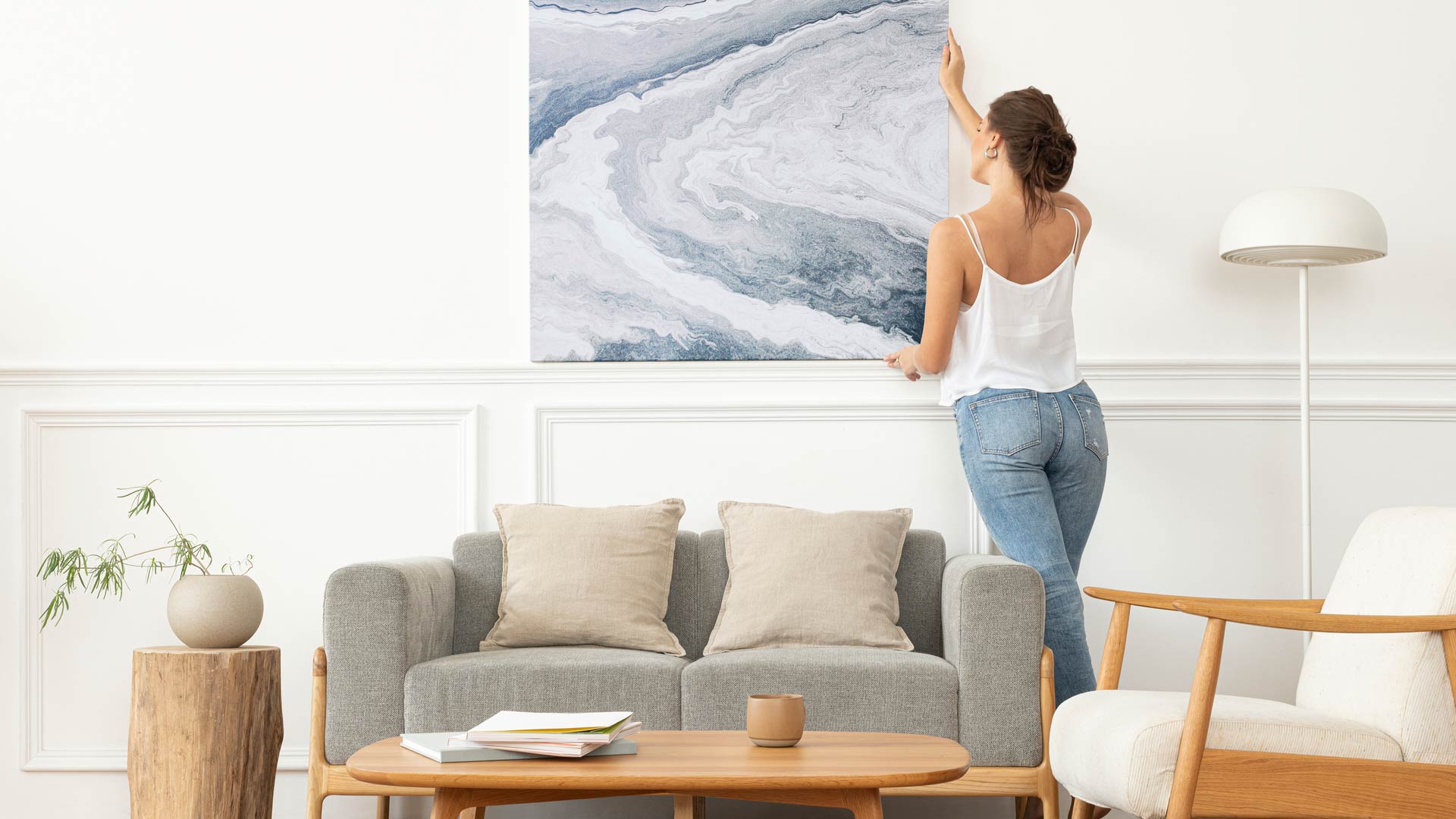
Creating a modern home doesn’t mean chasing every trend—it’s about crafting a space that feels clean, functional, and truly reflects your lifestyle. Modern interior design focuses on simplicity, sophistication, and the clever use of space, color, and light. Whether you’re starting from scratch or refreshing your existing space, these expert-approved tips will help you achieve a contemporary look that stands the test of time.
Design ideas - interiors
- Open Concept Living
Knock down unnecessary walls to create a more open flow between kitchen, living, and dining areas.
Use rugs or lighting to define zones without physical partitions.
- Accent Walls
Add a pop of color, textured wallpaper, or even wood slats to one wall.
Great for behind the bed, sofa, or in dining areas.
- Statement Lighting
Use oversized pendant lights, sculptural chandeliers, or layered lighting for drama and function.
Consider gold, matte black, or natural materials for a trendy look.
- Natural Materials
Introduce wood, rattan, stone, linen, or leather for a warm, organic feel.
Perfect for Scandinavian, boho, and Japandi-style interiors.
- Built-in Shelving
Adds character and storage while keeping floors clear.
Great for living rooms, bedrooms, or home offices.
- Bold Monochrome Themes
Use one color in varying shades and textures (like sage green, navy, or beige).
Keeps the room cohesive and elegant.
- Wall Niches & Arches
Architectural details like arched doorways or recessed wall niches add timeless charm and elegance.
Can be used to display art or books subtly.
- Multifunctional Furniture
Great for small spaces: think sofa beds, ottomans with storage, and expandable tables.
- Gallery Walls
Combine art, photography, or typography in a curated layout.
Use matching frames for a polished look, or mix for a more eclectic feel.
- Indoor Greenery
Add life with plants like snake plants, fiddle leaf figs, or hanging ivy.
Use planters in ceramic, rattan, or metal for style impact.
- Textured Layers
Layer throw pillows, rugs, and curtains using different fabrics like velvet, cotton, or wool.
Adds depth, especially in neutral-colored rooms.
- Floating Vanities & Cabinets
Wall-mounted fixtures create the illusion of more space.
Great for modern bathrooms and minimalist kitchens.
Best design practices
When designing interiors, it’s essential to start with purpose—each space should serve its function before aesthetics are considered. A cohesive color palette using the 60-30-10 rule (dominant, secondary, and accent tones) helps maintain visual harmony throughout your home. Layering lighting types—ambient, task, and accent—ensures flexibility and mood control. Maintain scale and proportion by matching furniture sizes to room dimensions and mixing large and small pieces for balance. Texture and contrast, like pairing smooth wood with rough stone or matte finishes with glossy surfaces, add depth. Focus on one standout feature per room to anchor your design and avoid overcrowding by leaving negative space for visual clarity. Blending old and new elements gives your space character and authenticity. Ensure good flow by allowing at least 36 inches of walking space, and invest in high-quality foundational items like sofas and beds while being open to updating accessories. Custom features, such as built-ins or tailored details, elevate the design, and always test paint swatches and furniture placement before making final decisions to ensure the perfect fit.
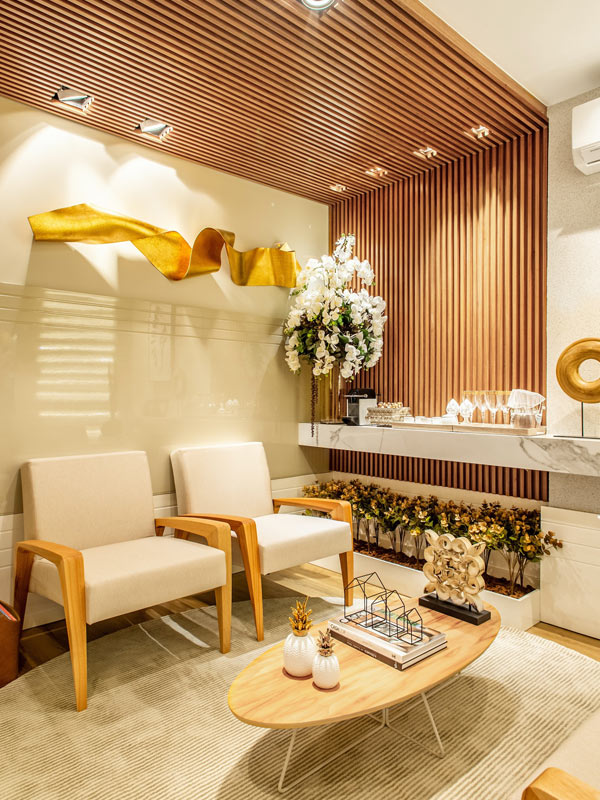
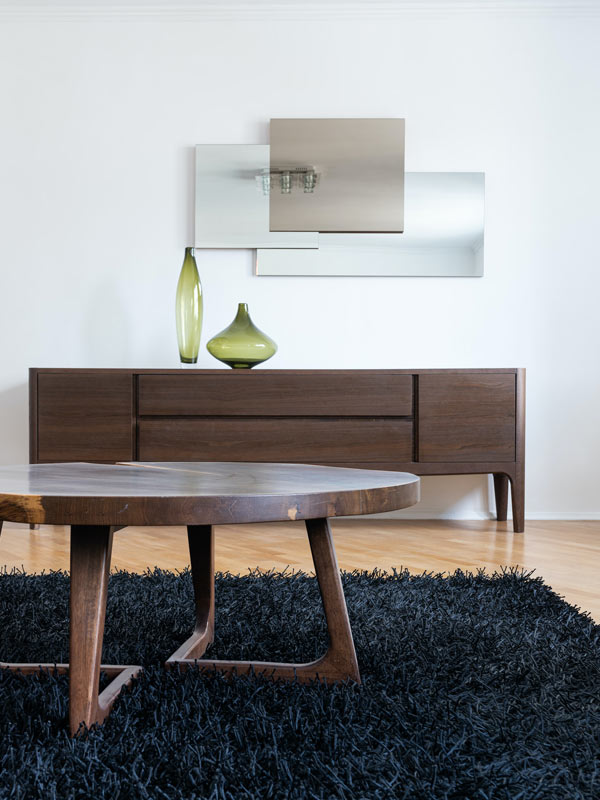
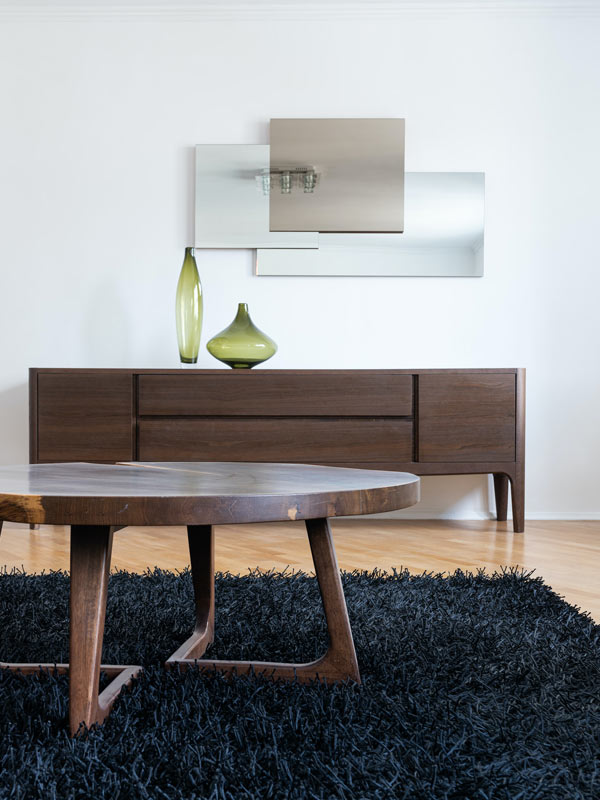
Designing a modern home is about balancing simplicity with personality. It’s not about creating a cold, impersonal space—it’s about using clean lines, natural light, and thoughtful touches to create a home that feels fresh, open, and inviting.
Keep it intentional, embrace quality, and let your space breathe. Your modern dream home is just a few thoughtful changes away.